
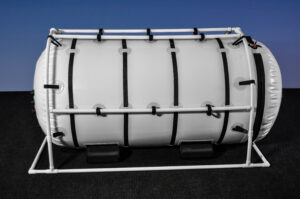
Setting Up Your First Hyperbaric Chamber at Home
Setting Up Your First Hyperbaric Chamber at Home Investing in a hyperbaric chamber for home

Hyperbaric Oxygen Therapy (HBOT) chambers are specialized devices used to administer oxygen at higher-than-atmospheric pressures. Whether considering an HBOT chamber for home or clinical use, understanding HBOT chamber safety essentials is critical. This guide outlines key safety considerations to help beginners make informed decisions.
Before diving into safety protocols, it’s helpful to know the main types of HBOT chambers available:
Knowing the type you intend to purchase helps determine the relevant safety features and operational procedures.
High oxygen concentrations combined with pressure increase the risk of fire. To maintain safety:
HBOT chambers operate under increased pressure, which necessitates:
Oxygen is essential but requires careful management:
Although this guide does not provide medical advice, it is important that users follow established operating procedures and consult healthcare professionals before use. In addition:
HBOT chambers should be installed in appropriate environments:
Regular maintenance is critical to chamber safety. Recommended practices include:
Proper training is a core component of HBOT chamber safety. Consider:
HBOT chambers require careful attention to safety considerations spanning fire prevention, pressure control, oxygen management, and user training. Selecting a chamber from a reputable supplier ensures access to reliable safety features and professional support.
If you are exploring options for HBOT chambers suitable for home or clinical environments, please browse our selection at Arizona HBOT. Our team is available to assist with quotes and to answer any questions related to HBOT chamber safety and operation.
Setting Up Your First Hyperbaric Chamber at Home Investing in a hyperbaric chamber for home
Understanding the Difference: Soft vs Hard HBOT Chamber Hyperbaric oxygen therapy (HBOT) chambers come in
HBOT Chamber Safety: A Beginner’s Guide Hyperbaric Oxygen Therapy (HBOT) chambers are specialized devices used