
Traumatic Brain Injury (TBI) occurs when an external force causes damage to the brain, disrupting normal function. Injuries can range from mild concussions—temporary brain cell disruptions—to severe trauma resulting in bleeding, bruising, or torn brain tissue, leading to long‑term cognitive, physical, emotional, or behavioral impairments.
Amen Clinics incorporates HBOT into personalized TBI and concussion treatment plans, guided by advanced Brain SPECT imaging. Their physicians may recommend a series of sessions in either soft‑sided or hard‑shell chambers, adjusting pressure and duration to each patient’s unique brain imaging findings and clinical presentation for optimal recovery.
*HBOT should be provided under medical supervision. Consult Amen Clinics to see if HBOT is appropriate for your Traumatic Brain Injury recovery plan.
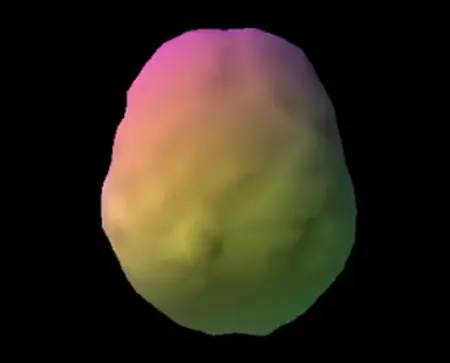
Healthy Brain Scan
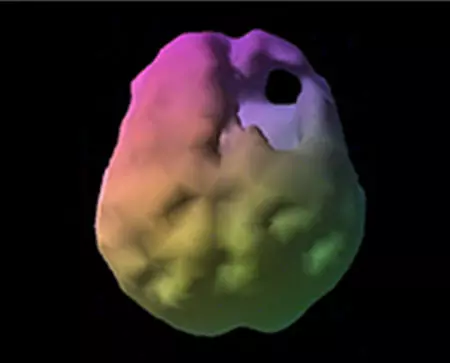
Concussion Brian Scan
SPECT (single photon emission computed tomography) is a nuclear medicine study that evaluates blood flow and activity in the brain. Basically, it shows three things: healthy activity, too little activity, or too much activity. The healthy surface brain SPECT scan on the left shows full, even symmetrical activity. The concussion scan on the right reveals unhealthy “holes” (areas that represent low blood flow and activity) in the damaged area..
Hyperbaric oxygen therapy supports a wide range of conditions and goals. Explore more: